Animal Partisan and SEED challenge Kansas feedlot over environmental concerns
June 2, 2026
On Friday, May 29, 2026, Animal Partisan and Strategies for Ethical and Environmental Development (SEED) filed an administrative Petition for Reconsideration with the Kansas Department of Health and Environment (KDHE) regarding the agency’s renewal of two cattle feedlot water pollution control permits. The petition follows the groups’ February 2026 joint comments to KDHE opposing the then-pending permit renewal, based on the two feedlots’ decades-long groundwater contamination, which continues into the present.
In May 2026, despite their comments and others opposing the permit issuance, KDHE granted the renewal. AP and SEED’s recent Petition for Reconsideration challenges the agency’s rationale for re-issuing the permit and its responses to comments in opposition. The Petition argues that the renewal of the permits is inconsistent with findings of other KDHE departments, representatives of the Environmental Protection Agency (EPA), and independent scientific testing. It also argues that the renewal effectively ignores the facilities’ ongoing contamination of water quality and the resulting impacts on community members.
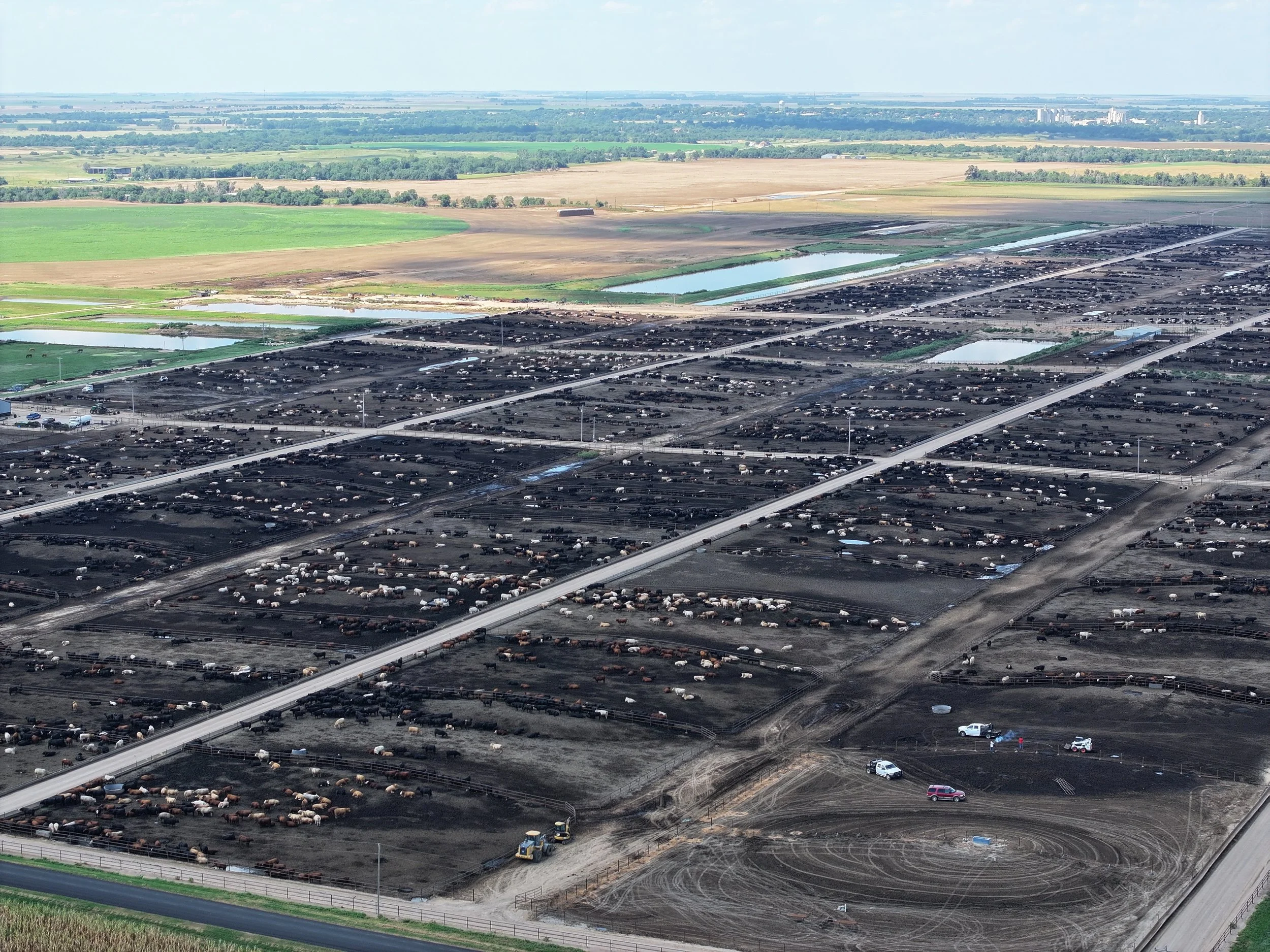
Feedlots crowd animals into dirt pens where they are fed grain-heavy diets engineered for rapid weight gain before slaughter. The feedlots at the center of this administrative process, Ward Feed Yard South and Ward Feed Yard North, are in Larned, Kansas, and jointly hold a staggering 59,000 animals. The company that owns the feedlots, ILS Farm Partnership, is currently constructing a mega feedlot nearby, which will house 88,000 animals. Those plans have been fiercely opposed by the local community, as well as environmental advocacy groups like Sierra Club – Kansas.
Feedlots like the Ward Feed Yards produce tremendous amounts of manure, and if that waste is not properly managed, it can contaminate surrounding groundwater. The sandy soil at these two sites, in particular, allows water to pool and contaminants like nitrates to enter the groundwater system relatively easily. Footage obtained by AP and SEED at Ward Feed Yard South, just a few days after heavy rainfall, shows water pooling (not properly draining), a sign that waste may be entering groundwater. When that happens, residents who live near feedlots can find their water wells impacted, as has happened in Larned. Multiple individuals have reported to KDHE that they can no longer use the water in their home for drinking or bathing, including at a public hearing held about these permit renewals.
Under Kansas law, members of the public may participate in the regulatory process, including feedlot permit renewals. AP and SEED hope that KDHE will reconsider its decision to renew both permits, given the documented groundwater contamination and extreme negative effects on surrounding community members, including citizens who can no longer drink the water inside their homes. KDHE’s own Bureau of Environmental Remediation is currently investigating the feedlots. Despite this pending investigation, KDHE renewed the permits anyway, a decision AP and SEED believe goes against the agency’s mandate to protect Kansas water quality.
Please consider supporting our ongoing work of challenging injustice to animals used in agriculture and research. Whether you’re most comfortable donating, signing up for our emails, or sharing information you think might help our work, we want you on our team.